



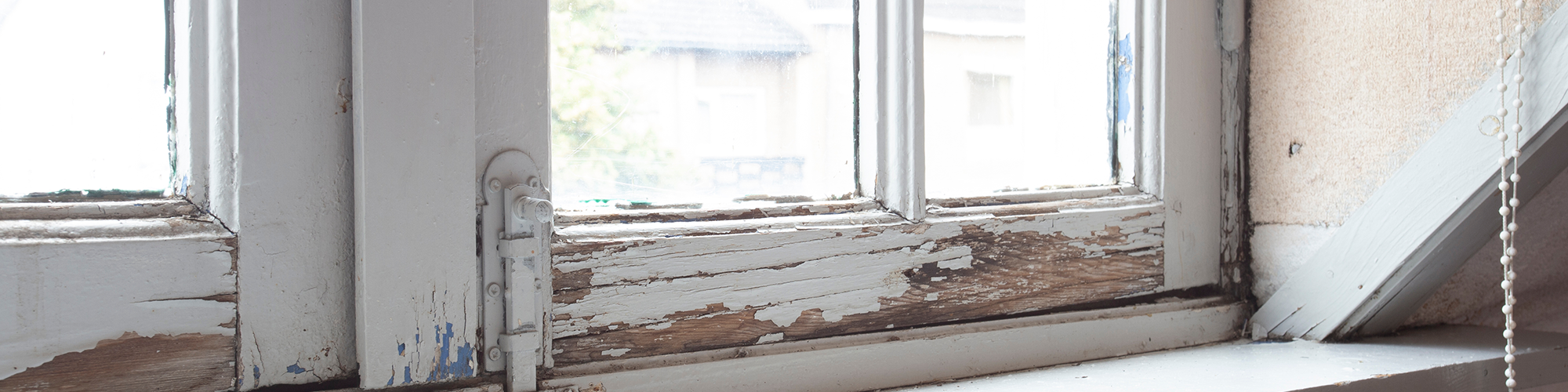
Rotten Window Frame

- A rotten wooden frame shouldn't cause too many problems if spotted early. Signs of rot are easy to see, but if you're buying a property, your house survey should uncover this.
- If you already own the property, there are ways in which you can maintain your wooden frames, so you avoid the development of rot.
- Once you're aware that your window frames are rotten, you can take the necessary steps to fix this. You can either treat the affected area or replace the frame altogether.
- Rotten window frames will be picked up in your level 2 or level 3 survey.
Why is window frame rotting?
How to keep wood windows from rotting
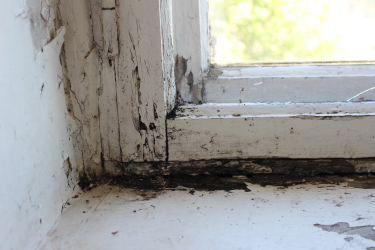
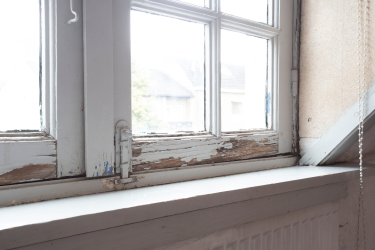
What does window rot look like?
- peeling paint or a wavy, bubbly aspect to it
- cracks in the wooden frame
- crumbling wood sections
- fungal growth on the wood
How do you fix a rotten window frame?
- 1
Identify the extent of the problem
If the rot has extended on more than 10% of the window frame, you might be forced to replace the affected section or the entire frame.Remove the affected area
Thoroughly removing the rotted section will ensure the problem doesn't spread. This should be an easy task, as rotted wood will be softened and easy to remove.Fill in the gaps
You can restore the frame to its original state by using wood fillers. This will fill all the cracks and create a stronger barrier. You can easily purchase what you need for this project.Sand and make the surface smooth again
You should first focus on sealing all the cracks with the wood filler. You can then sand the entire surface down, to prep before painting.Repaint
Make sure you use multiple waterproof wood sealer coats, to prevent the wood frames from getting rotten again.Can you replace rotted window frame?
In our recent survey, 16% of homeowners found defects; including 2% who were able to pull out of a bad purchase, 7% who were able to negotiate a better price, and sadly, 7% of homeowners who did not get a survey and discovered defects after the purchase.
12 of the 39 who remembered how much these defects cost to remedy spent over £5,000
Don't burn your money, book a survey.



Andrew Boast FMAAT is a qualified accountant, conveyancing specialist and author with over 25 years of experience in the UK property sector. Since beginning his career in 2000 within established SRA and CLC-regulated conveyancing solicitor firms, Andrew has overseen the legal journeys of more than 75,000 clients.
He is the author of the property guide 'How to Buy a House Without Killing Anyone' and a frequent contributor to mainstream UK media on legislative updates, property law, first-time buyer guides, conveyancing best practices, and stamp duty changes. Andrew specialises in resolving complex title issues, property conflict disputes, and property tax options, streamlining the enquiry process to reduce transaction times and maintaining a client-friendly focus.





